
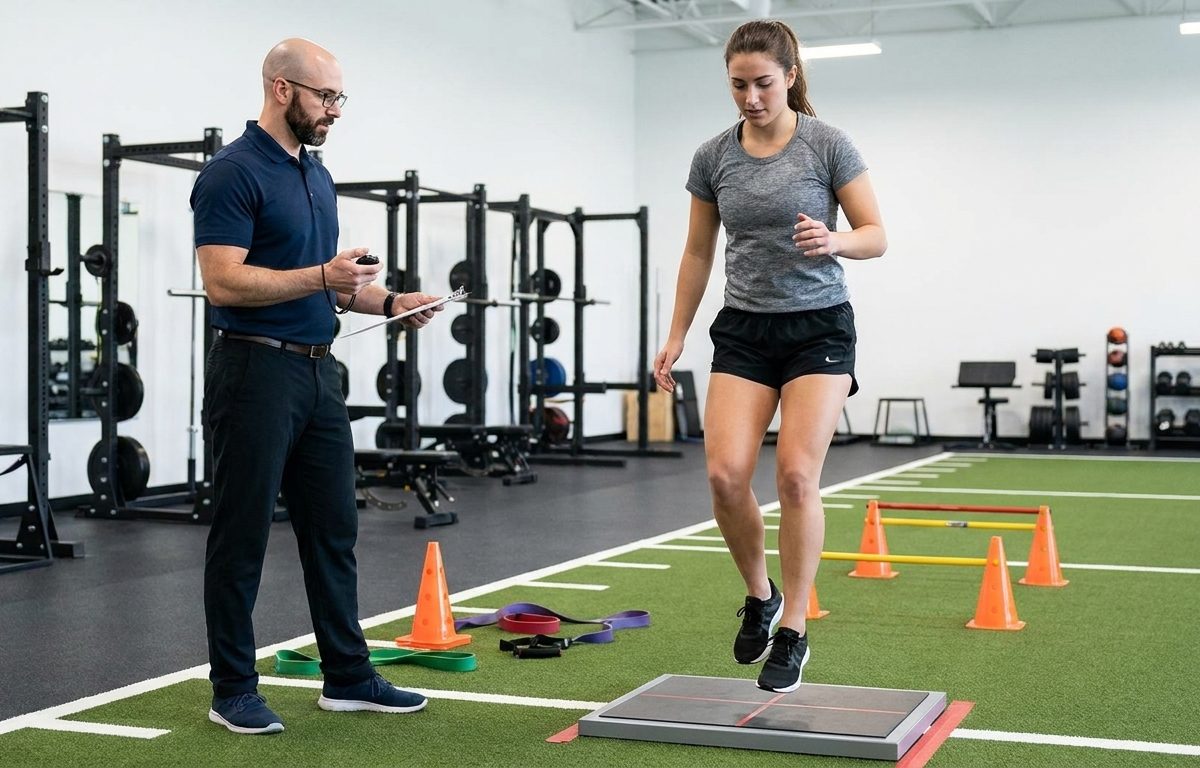
When you are an athlete or an active adult in Raleigh, being sidelined by an injury feels like more than just a physical setback. It is a disruption to your lifestyle, your stress relief, and your goals. Whether you are a marathon runner dealing with Achilles tendinopathy or a desk worker managing chronic back pain, the first question on your mind is almost always the same: how long until you can get back to what you love?
At Smart Athlete Physiotherapy, the goal is not simply to get you pain-free. It is to get you performing at your peak. Specializing in performance physical therapy in Raleigh, NC, the focus shifts from basic symptom management to true athletic optimization. While every body is unique, understanding typical recovery timelines for common injuries can help you set realistic expectations and take control of your journey.
The Variables: Factors That Influence Your Recovery Timeline
A blanket "six-week" answer rarely serves anyone well. Your recovery is personal, and several key factors shape how quickly you progress and return to full activity.
- Injury severity and type: A minor grade I ankle sprain heals far faster than a complex rotator cuff tear or a post-surgical ACL reconstruction.
- Individual biological factors: Age, nutrition, hydration, and sleep quality all play a significant role in how efficiently your tissues repair.
- Consistency and adherence: Performance physical therapy is a partnership. Progress is directly tied to your engagement during sessions and your commitment to your home exercise program.
- The clinical approach: Treating the source of dysfunction rather than masking symptoms leads to more durable outcomes. At Smart Athlete Physiotherapy, an integrated model combining manual therapy, therapeutic exercise, and performance training is used to address the root cause of your injury.
Common Injury Timelines with Performance Physical Therapy
While timelines are always individualized, general recovery windows exist for common athletic injuries based on tissue healing phases and functional progression.
Sprains and Strains
Muscle strains such as a hamstring strain and ligament sprains such as an ankle sprain typically follow a predictable path. Minor cases often allow a return to light activity within two to four weeks. Moderate injuries generally require four to eight weeks to rebuild the stability needed for sport-specific training. Severe tears may call for eight to twelve weeks of focused strength building and balance and proprioception training.
Tendinopathy and Overuse Injuries
Conditions like tennis elbow, IT band syndrome, and runner's knee are frequently the result of overuse and underlying biomechanical faults. Initial pain relief may come within two to four weeks using targeted modalities such as dry needling or shockwave therapy (ESWT). However, remodeling the tendon and correcting faulty movement patterns typically requires eight to sixteen weeks of progressive loading and neuromuscular re-education.
Post-Surgical Rehabilitation
If you are recovering from surgery, your timeline is largely guided by the healing of the surgical site itself. The first zero to six weeks focus on restoring mobility and flexibility and protecting the repair. The following six to sixteen weeks are dedicated to rebuilding strength. Return-to-sport testing typically occurs between six and twelve months, ensuring you are genuinely prepared for the demands of competition before stepping back onto the field.
The Smart Athlete Physiotherapy Approach to Performance Physical Therapy in Raleigh
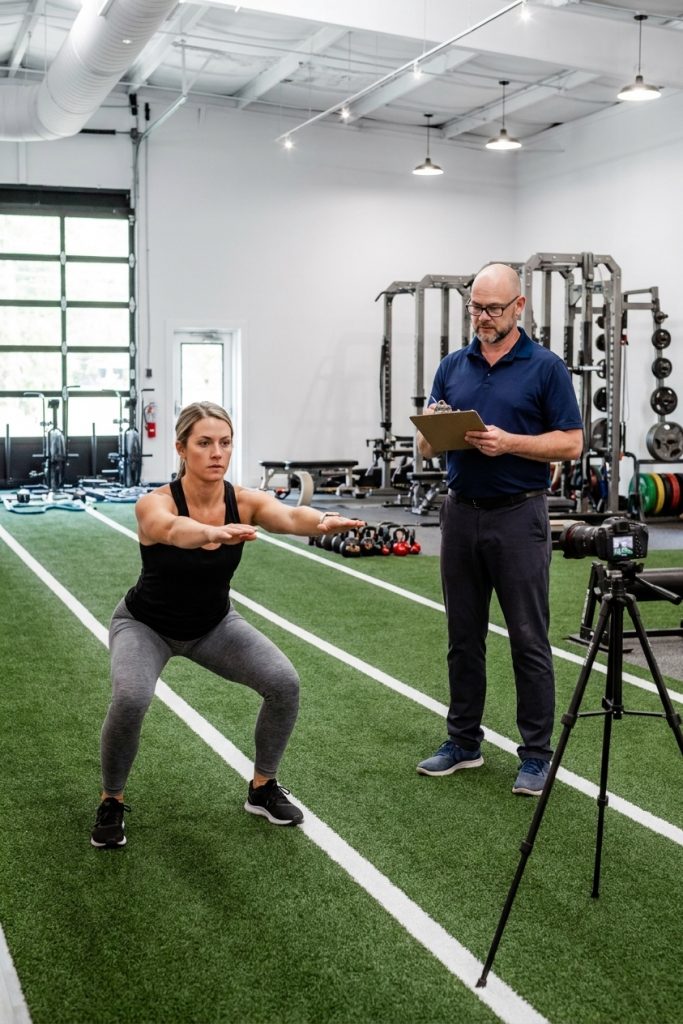
At Smart Athlete Physiotherapy, care goes beyond where it hurts. A comprehensive movement screen and running gait analysis are used to identify why an injury occurred in the first place. This insight drives a plan that not only resolves the current problem but reduces the risk of future setbacks.
By combining manual therapy, soft tissue mobilization, and strength and conditioning under one roof, Smart Athlete Physiotherapy ensures that when you return to your sport, you are more resilient than you were before the injury. Whether your goal is return to sport, return to running, or simply moving through daily life without pain, the plan is built around your specific needs.
What You Can Do to Accelerate Your Recovery
Your therapist provides the roadmap, but you are the one driving. There are meaningful steps you can take to actively support your progress.
- Prioritize the fundamentals: Nutrition, hydration, and sleep form the biological foundation of tissue repair. Neglecting them slows everything down.
- Communicate openly: Report changes in symptoms, flare-ups, and wins to your therapist so your program can be adjusted in real time.
- Trust the process: Performance physical therapy is not always a linear path. Staying focused on your long-term goals keeps momentum moving in the right direction.
- Engage with prehab: If you are not currently injured, prehab and injury prevention work can reduce your risk of landing on the sidelines in the first place.
Back Stronger with Smart Athlete Physiotherapy
Recovery timelines are not fixed, but with the right guidance, you can navigate them with clarity and confidence. At Smart Athlete Physiotherapy in Raleigh, the mission is to help athletes and active adults stop managing pain and start pursuing performance.
Whether you need dry needling, assisted stretching, Titleist Performance Institute (TPI) testing, or a structured return-to-sport progression, the team at Smart Athlete Physiotherapy is equipped to guide you from injury to peak performance. Reach out today to schedule your initial assessment and take the first step toward a stronger, more resilient version of yourself.